DISPARITIES BETWEEN THE QUALITY OF HEALTH SERVICES FOR RURAL AND URBAN POPULATIONS IN MALAWI

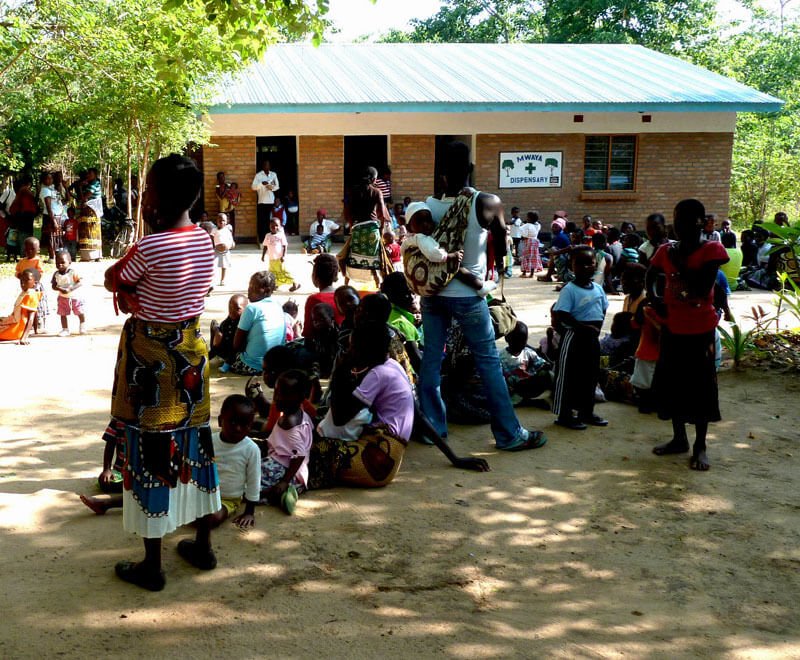
My experience with United Nations Volunteers and Youth Arise Network has made me aware of how income determines the quality of health service one accesses here in Malawi. With the rapid deterioration of services offered by public health institutions, which are usually free, private health institutions are a reliable option for accessing quality health care. However, given that 80% of the Malawian population lives in rural areas, with no reliable income streams, this results to massive disparity between the quality of health services for rural and urban populations.

My experience with United Nations Volunteers and Youth Arise Network has made me aware of how income determines the quality of health service one accesses here in Malawi. With the rapid deterioration of services offered by public health institutions, which are usually free, private health institutions are a reliable option for accessing quality health care. However, given that 80% of the Malawian population lives in rural areas, with no reliable income streams, this results to massive disparity between the quality of health services for rural and urban populations.

The current COVID-19 pandemic has exposed the inequity explained above. As cases increase, rural residents have been struggling to access reliable health services in terms of testing and treatment. As a result, the pandemic continues to spread, and deaths continue to pile up in rural areas without proper tracking.

The current COVID-19 pandemic has exposed the inequity explained above. As cases increase, rural residents have been struggling to access reliable health services in terms of testing and treatment. As a result, the pandemic continues to spread, and deaths continue to pile up in rural areas without proper tracking.

I believe every individual deserves quality health care despite of their income. I would personally be honored to get an opportunity to be involved more in addressing these disparities. I would like to use my expertise in communication to advocate for quality health services in rural areas. It you feel the same volunteer, apply for that fellowship, start that organization. Slowly these disparities will surely be addressed.

WHY I AM GRATEFUL FOR COVID-19

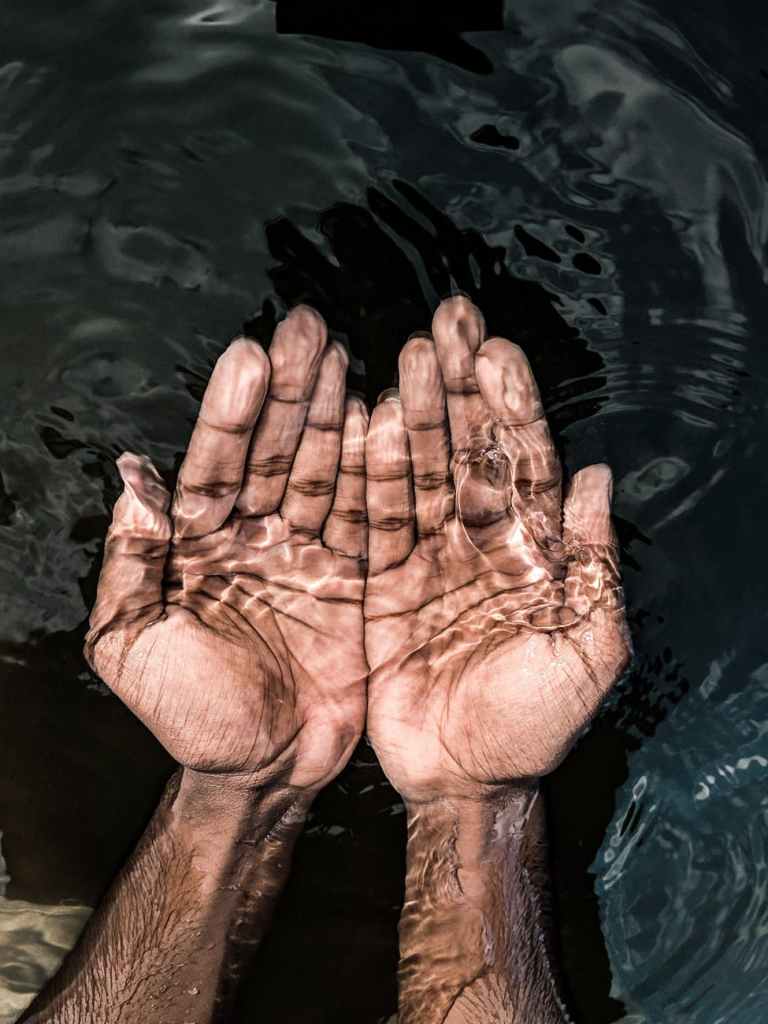
Sparkle and shine! Wash your hands everytime.

Hey!

Note that I wrote this blog in November 2020, so my views might be different now. LOL

But what is a public health blog without a piece on Covid-19, right?

We cannot lie, Covid-19 hit us hard, I am saying it in past tense because I would like to believe that it is all going to an end.

Honestly when Covid-19 was first discovered I never thought it would reach Malawi, we quite have a history of somehow dodging pandemics (LOL). Maybe just one pandemic. Remember Ebola? Yeah!

To my surprise after months of having no cases, we had a case.

I was still in denial until I witnessed some people die, some people that I knew.

Eventually it was serious. Everyone started wearing masks, I stopped going to WORK and the world stopped.

Thank God! that somehow before 2020 ended we managed to contain the spread of Covid-19 even with our poor health infrastructures (Story for another day).

For me, COVID-19 was/is a disaster, I would not want it to come back or continue, obviously. It is a horrible pandemic. GET THAT RIGHT!

But I am so grateful that in the middle of it all, Covid-19 has helped people to be more hygienic and very careful.

I have always had a problem with the hygiene/health practices that people practice, especially in my country, Malawi.

Every year people die because of Cholera. Even though there are a lot of factors as to why a lot of people die of Cholera. One of them is that people don’t wash hands and food.


Before Covid-19 most people, especially from the rural areas never really cared about washing their hands despite various NGO’s efforts in advocating for healthy habits including washing of hands.

People used to wash hands only when they want to eat “Nsima” . No other food, just Nsima.
Worse still, a group of people would wash hands using the same water in one basin.

But with Covid-19, people are not taking chances, people are washing hands, wearing masks, and washing the mangoes, the apples and everything they eat.

I really really want this culture sustained. I hope it will be sustained.

For this very reason I am very grateful that through the storm (Covid-19), we have grabbed some good habits and we are sticking to them.

BTW, where can I volunteer to enforce washing hands and zero littering in Malawi?

Thank you for reading till the end.

ABOUT THE AUTHOR

Hi, I’m Mayamiko. You can call me Maya. My middle name is Christar. My family and close friends always call me Miko.


I am passionate about public health, global health and health in general.

Growing up in Malawi, I have realized that public health is often overlooked, misunderstood and never taken seriously.


I believe in building healthy communities for people to thrive, heal and do their best work.


How am I doing this? I volunteer, I research, I read and I try to help where I can.


Currently I am applying to do a master’s degree in Public health while at the same time trying to work with a health oriented organization.


So basically I am a communications person who wants to become a health expert. I know. Lol


I have been trying to venture into the health profession for some time now, but man! Following one’s passion, especially in Malawi is not the easiest thing to do. but we keep pushing.


On this blog I will be sharing content about everything related to health and my journey to becoming a health expert.


Walk with me.